


Detection of a new coronavirus in bats that enters cells using the same gateway as the virus that causes COVID-19 raises the possibility that it could spread to humans.
Detection of a new coronavirus in bats that enters cells using the same gateway as the virus that causes COVID-19 raises the possibility that it could spread to humans.
By Julie Steenhuysen and Nancy Lapid
February 22, 2025 — 11.23am
Chicago: Researchers at the Wuhan Institute of Virology in China said they discovered a new coronavirus in bats that enters cells using the same gateway as the virus that causes COVID-19, raising the possibility that it could someday spread to humans.
The virus does not enter human cells as readily as SARS-CoV-2 does, the Chinese researchers reported in the journal Cell, noting some of its limitations.

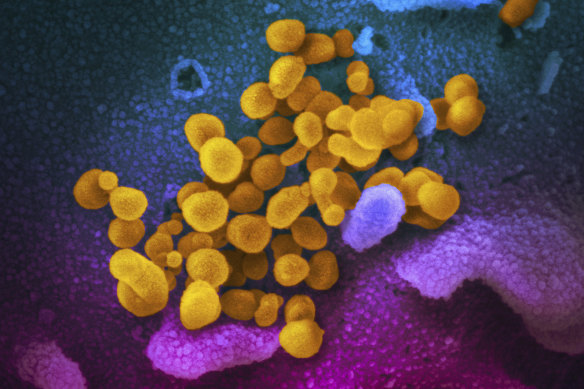
The scientists said that like SARS-CoV-2, the bat virus HKU5-CoV-2 contains a feature known as the furin cleavage site that helps it to enter cells via the ACE2 receptor protein on cell surfaces.
In lab experiments, HKU5-CoV-2 infected human cells with high ACE2 levels in test tubes and in models of human intestines and airways.
In further experiments, the researchers identified monoclonal antibodies and antiviral drugs that target the bat virus.

The paper’s release boosted sales of shares in COVID vaccine makers on Friday, US time.
Pfizer shares closed up 1.5 per cent on Friday, Moderna climbed 5.3 per cent and Novavax was up about 1 per cent on a down day for the broader market.
Asked about concerns raised by the report of another pandemic resulting from this new virus, infectious disease expert at the University of Minnesota Michael Osterholm called the reaction to the study “overblown”.
Advertisement
He said there was a lot of immunity in the population to similar SARS viruses compared with 2019, which may reduce the pandemic risk.
Loading
The study itself noted that the virus has significantly less binding affinity to human ACE2 than SARS-CoV-2, and other suboptimal factors for human adaptation suggest the “risk of emergence in human populations should not be exaggerated”.
The Wuhan virus research centre is known for its work on bat coronaviruses.
One theory of how the COVID pandemic began is that it leaked from that lab, perhaps through an infected worker. Institute researchers have previously denied working on any viruses that could have started the pandemic.
The US in 2023 halted funding for the lab, which had received money through the US-based EcoHealth Alliance, amid the controversy.
This newly discovered bat virus infects cells by binding to a protein found throughout the bodies of humans and other mammals. It’s closely related to the coronavirus family that causes Middle East respiratory syndrome.
That virus, also known as MERS, has been confirmed in around 2600 people globally from 2012 through May 2024, killing roughly 36 per cent of those infected. The vast majority of the cases were in Saudi Arabia, according to the World Health Organisation website.
Reuters, Bloomberg
Get a note directly from our foreign correspondents on what’s making headlines around the world. Sign up for our weekly What in the World newsletter.
Loading