


Here’s what you can do to stay safe and secure your home before the arrival of Cyclone Alfred.
Here’s what you can do to stay safe and secure your home before the arrival of Cyclone Alfred.
March 3, 2025 — 11.22am
Tropical Cyclone Alfred is expected to make landfall on Thursday, and south-east Queensland residents have been warned to prepare.
“We live in Australia’s most disaster-prone state and it’s time to act now and be prepared for possible damaging winds, high tides, heavy and locally intense rainfall and flash flooding,” Brisbane Lord Mayor Adrian Schrinner said.
Salisbury resident Eddie Ngaluafe said he had purchased torches, batteries, water storage and a camping stove in preparation.
“I’m preparing for the power to potentially be off for a couple of days, and a lot of it stems from our experience last time,” Ngaluafe said.
A localised storm smashed through Salisbury in December 2023.
“It brought down power lines, damaged the kids’ trampoline, and the power was off for about 15 hours. I was just like, ‘wow, we’re not really prepared for this kind of thing’.
Here’s how you can be ready.
Staying informed
You can sign up to Brisbane City Council’s Severe Weather Alerts at the council website.
Advertisement
You can also sign up to the council’s Emergency Dashboard, which links to weather warnings.

The Bureau of Meteorology’s latest warnings are available on its website and social media posts.
Tune into local radio stations as well for updates.
Sandbags
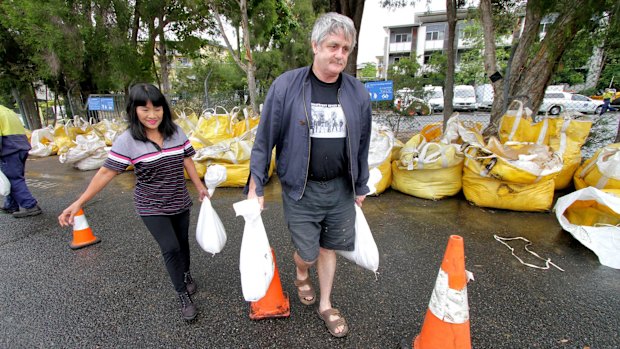
Brisbane City Council supplies pre-filled sandbags to residents and businesses, available 24/7.
There are five collection stations.
- Darra: 38 Shamrock Road
- Morningside: 9 Redfern Street
- Newmarket: 66 Wilston Road (in the car park off Erneton Street)
- Zillmere: 33 Jennings Street, and
- Lota: 58 Herbert Street
Sandbags can reduce flooding by diverting floodwater away from your premises.
Sinks and toilets can also back-flood during flooding and sandbags can help stop this.
The bags should only ever be half filled so they can be moulded to shape.
Used sandbags cannot be returned to collection stations and must be disposed of at transfer stations.

General preparation
Remove and pack away loose items from yards, roofs and decks.
Check the condition of your roof and perform repairs if needed.
Clear gutters and pipes to allow drainage.
Close windows, shutters and draw curtains.
Park vehicles undercover or cover firmly with blankets against hail damage.
Clear overhanging branches close to your home.
Disassemble trampolines and bring inside.
Bring pets safely inside.
Stock up on bottled water or fill bottles, buckets and bathtub.
Move valuables and electrical items and store any poison and chemicals well above ground level.

Locate the strongest and safest room away from windows if possible or cover windows with mattresses.
Secure plastic sheeting to the inside of windows to prevent rain damage.
Check your insurance policy to ensure you are covered.
If a flood is coming, have a plan to leave early, checking for road closures before you leave.
More information is available at Queensland government’s Get Ready Queensland site.
Blackouts
If you have a barbecue, be sure to have gas in your cylinder to enable cooking during a blackout.
A full petrol tank or fully charged EV battery will enable you to charge phones and other items using your vehicle.
Energex has an outage finder with updates on power interruptions and when power is expected to be restored.
Locate and be ready to disconnect or shut down your gas, electricity, solar power and water services if instructed.
More information can be found here.
Emergency kits
An emergency kit should contain:
- torches and extra batteries
- a first aid kit
- drinking water for three days
- non-perishable food such as tinned food and muesli bars
- a portable, battery-operated radio
- tools, scissors and food utensils
- waterproof gloves
- toilet paper, toothpaste and toothbrushes
- essential medications
- can opener
- important documents
- sealable waterproof bags
- extra clothes and bedding
- entertainment items (cards, boardgames, colouring/drawing, books)
Loading